Discover the benefits of photovoltaic systems
Photovoltaics: costs & subsidies – is your own solar system still worth it?
Photovoltaics: costs & subsidies – is your own solar system still worth it?
Find out how your own photovoltaic system can drastically cut your electricity costs, which PV subsidies you are currently entitled to and from when the investment in solar modules and storage really pays off for your single-family home.
Lower electricity costs with solar: why your own solar system is worth it now
Costs of a photovoltaic system
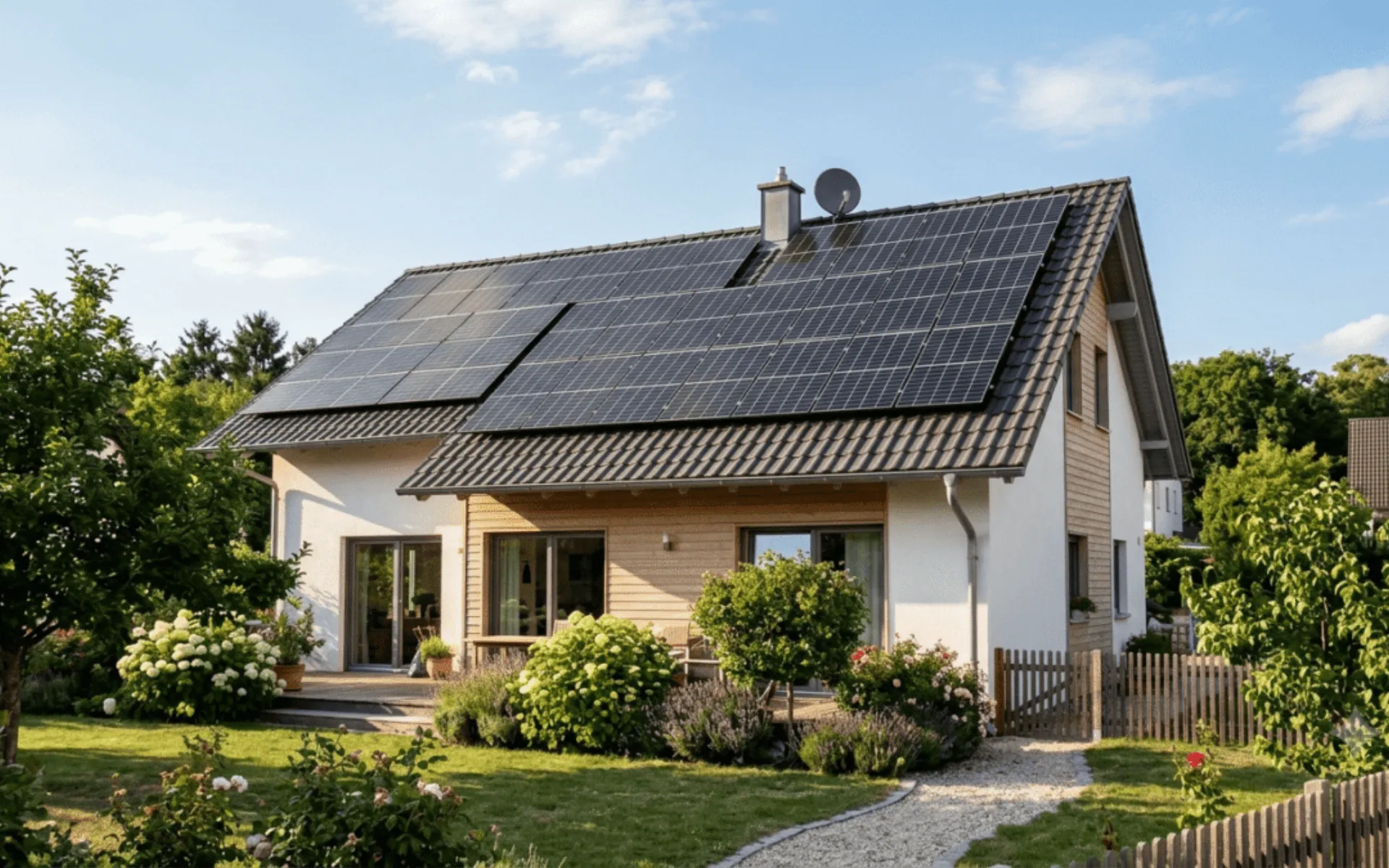
Imagine waking up in the morning, the sun is shining through your window and your first thought is not “I hope the next electricity bill won’t be too high”, but a big smile.
Why? Because you know that at this very moment your roof is earning real money for you. While your neighbours are annoyed about the unpredictable prices of the energy companies, green electricity flows free of charge into your household appliances, your heat pump or your electric car.
Right now your roof is probably just sitting there. It catches the rain, keeps out the wind – but it isn’t using its true potential. Yet it could be your personal declaration of independence. Many people hesitate, however, and ask themselves: have I missed the right moment? Are the photovoltaic costs too high? And which PV subsidies does the state still pay out at all?
Let’s put the myths aside and take an honest look at the bare facts, the real costs and the priceless feeling of freedom.
The bare figures: what does a solar system really cost?
Let’s not beat about the bush: buying a photovoltaic system is an investment first of all. But the most important news up front: after the turbulent years, the market has calmed down completely. For you, that means prices for solar modules and inverters are at a historic low. Today you get considerably more technology and output for your money than ever before.
If you are planning a typical solar system for a single-family home (approx. 10 kWp output), you should expect costs of between 10,000 and 14,000 euros for the system alone, including installation. But since the sun unfortunately doesn’t shine at night, a PV system with storage almost always makes sense today. A modern battery storage unit adds roughly another 4,000 to 7,000 euros to the bill.
Important difference: This is not an expense like a new television or a holiday. It is an investment that pays for itself from day one. Instead of irrevocably transferring your money to the electricity supplier every month, you put it into your own power station on the roof.
Benefits of your own solar system
Let’s put the calculator aside for a moment. A solar system is about much more than the question of whether it has paid for itself after eight, nine or eleven years. It is about psychology. It is about your quality of life.
Remember the last crises on the energy market. That helpless feeling of being at the mercy of the big companies’ price increases. When you produce your own electricity, you turn the tables. You become your own boss. When electricity prices on the market rise again, you sit back and relax. Your electricity costs don’t just go down – they become completely predictable for the next 25 to 30 years. No Excel spreadsheet in the world can calculate that emotional security and the clear conscience of making a real contribution to climate protection.
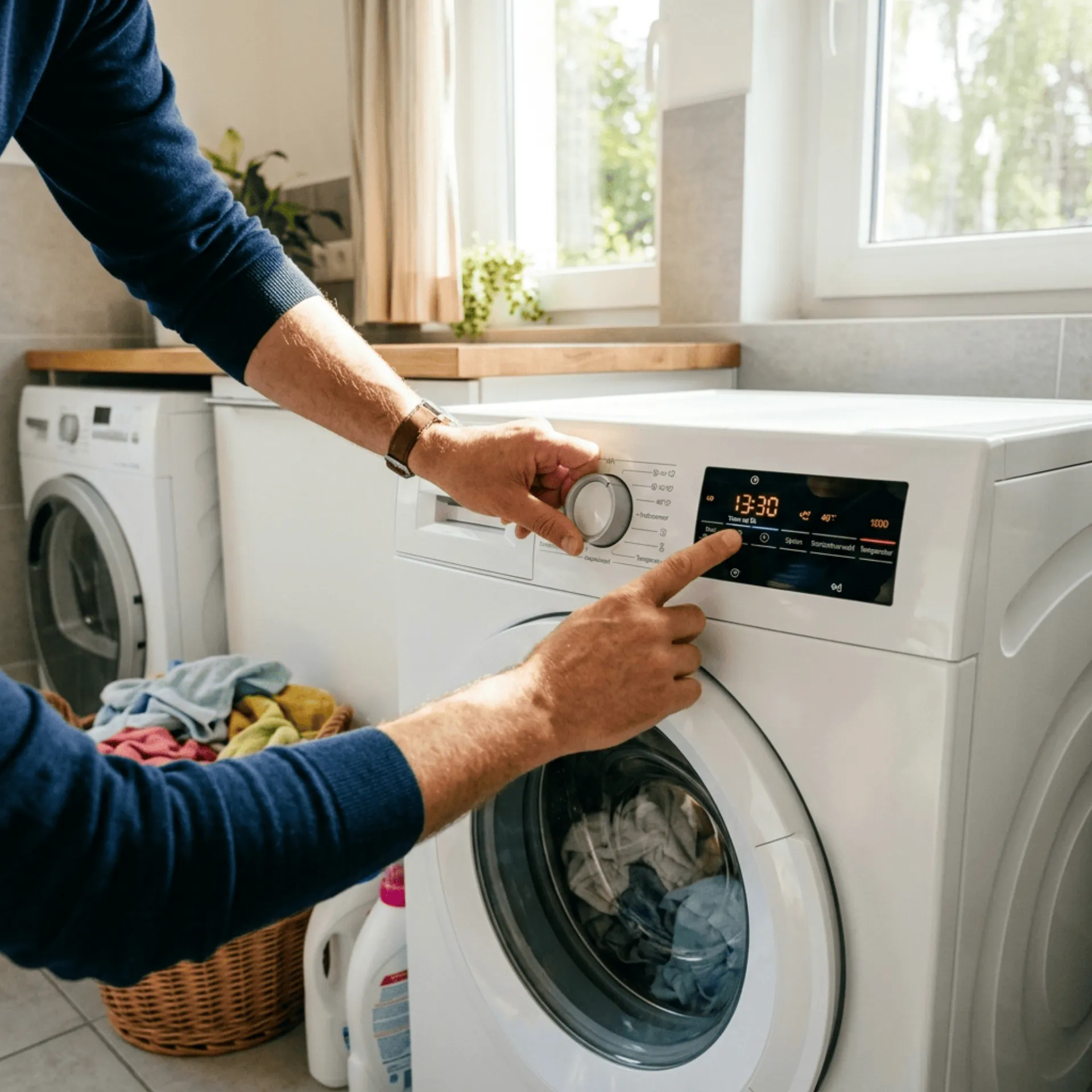
Time the washing machine
Get into the habit of running big consumers such as the dishwasher or washing machine at midday, when the sun is at its highest. Many modern appliances have a simple timer function for this.
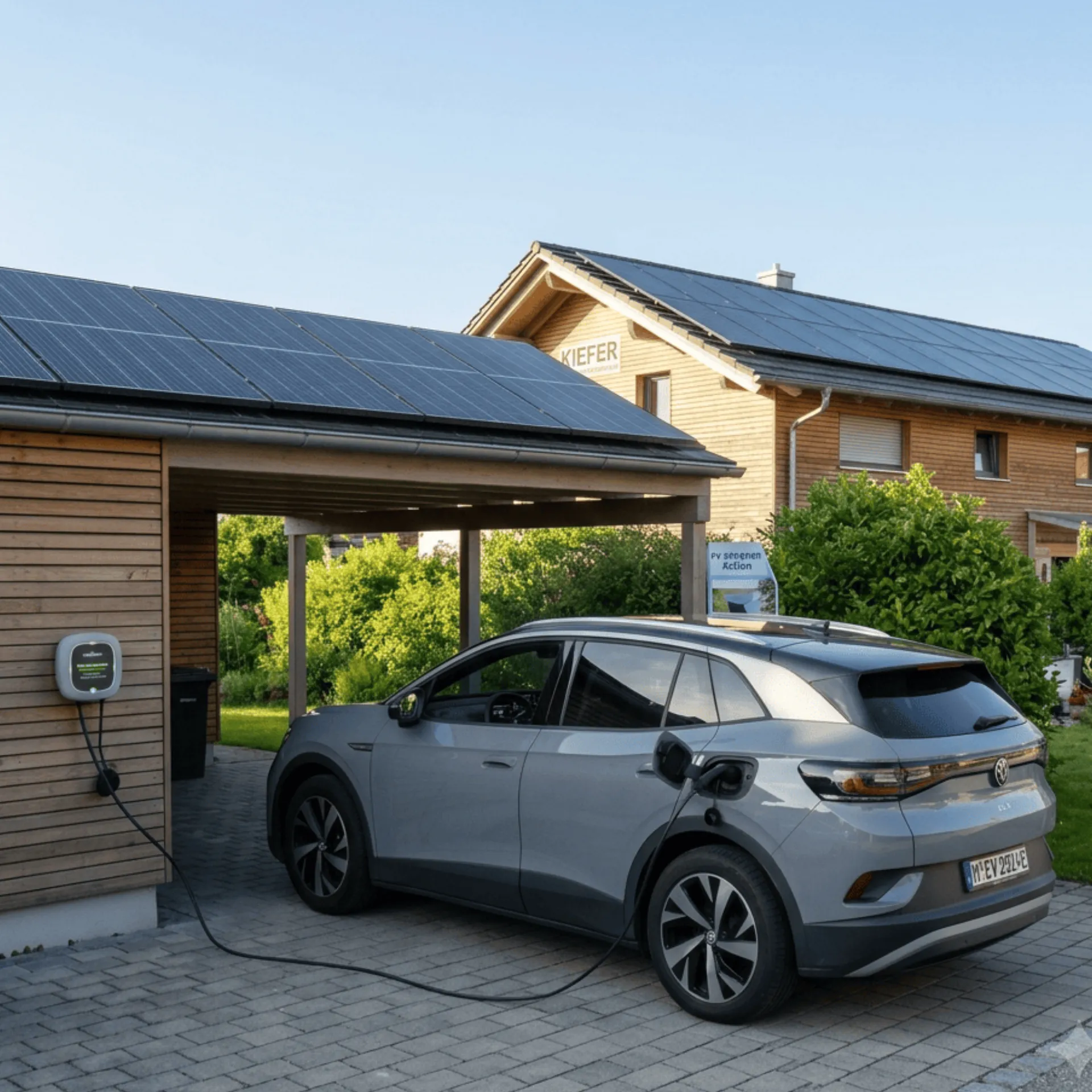
Use your electric car as storage
If you own an electric car, charge it deliberately with the surplus from your system. There is no more efficient way to use your precious electricity.
Choose quality
Buy cheap, buy twice. Look for long manufacturer warranties (at least 20 to 25 years of performance warranty on the modules) so that your roof still runs faultlessly decades from now.
Profitability of a solar system
The investment in a solar system usually pays for itself within 8 to 12 years, depending on the size of the system and local electricity prices.
- Savings on electricity costs 90%
- Reduction of CO2 emissions 80%
- Payback period in years 70%
Conclusion on investing in solar systems
Investing in your own solar system can prove extremely worthwhile in the long term. Despite the initial costs, solar systems offer considerable savings on energy costs and help reduce your ecological footprint. State subsidy programmes and feed-in tariffs (Einspeisevergütung) make the purchase even more attractive. A solar system also increases the value of your property and offers a degree of independence from rising electricity prices. In view of these advantages, investing in a solar system remains a smart decision for environmentally and cost-conscious households.
The costs of solar systems have fallen in recent years, while the efficiency of the technology has risen. This means the payback period is shorter than ever before. With the subsidies and loans available, the initial investment can be reduced further. It therefore makes sense to consider a solar system, especially if you are aiming for long-term savings and a contribution to sustainability.
In summary, investing in a solar system is not only financially advantageous but also has a positive impact on the environment. The combination of state incentives, technological progress and the chance to lower energy costs makes solar systems an attractive option for many households. It is worth examining your individual circumstances and making an informed decision.
Conclusion: is your own solar system a good idea?
A loud, clear: Yes! Your own solar system is the most sensible step you can take for your house and your wallet. The combination of historically low module prices, the VAT saved and permanently high grid electricity prices means that a PV system almost always pays for itself, as if on its own.
Don’t wait any longer for electricity prices to fall as if by a miracle. Take your energy future into your own hands. Your roof has been lying unused in the sun long enough – it is time it finally worked for you!
Frequently asked questions about photovoltaics
1. Is a PV system worthwhile even without a direct south-facing roof?
Yes, absolutely! East-west roofs are often even smarter for self-consumption today. They produce electricity in the morning and evening – exactly when you get up or come home from work and need the most energy.
2. How long does a modern photovoltaic system last?
Modern solar modules are extremely robust. They have no moving parts and easily last 30 years and longer. Only the inverter usually has to be replaced once after 12 to 15 years.
3. What happens in winter or when the sky is overcast?
The modules do not need direct sunlight, just bright daylight (global radiation). Of course the yield in winter is considerably lower than in summer, but the system never goes completely to sleep and delivers valuable energy even on cloudy days.